
Training for Your First 10k: A Personal Trainer’s Guide to the Waterford Viking Marathon 10k
by
Jason Morrissey
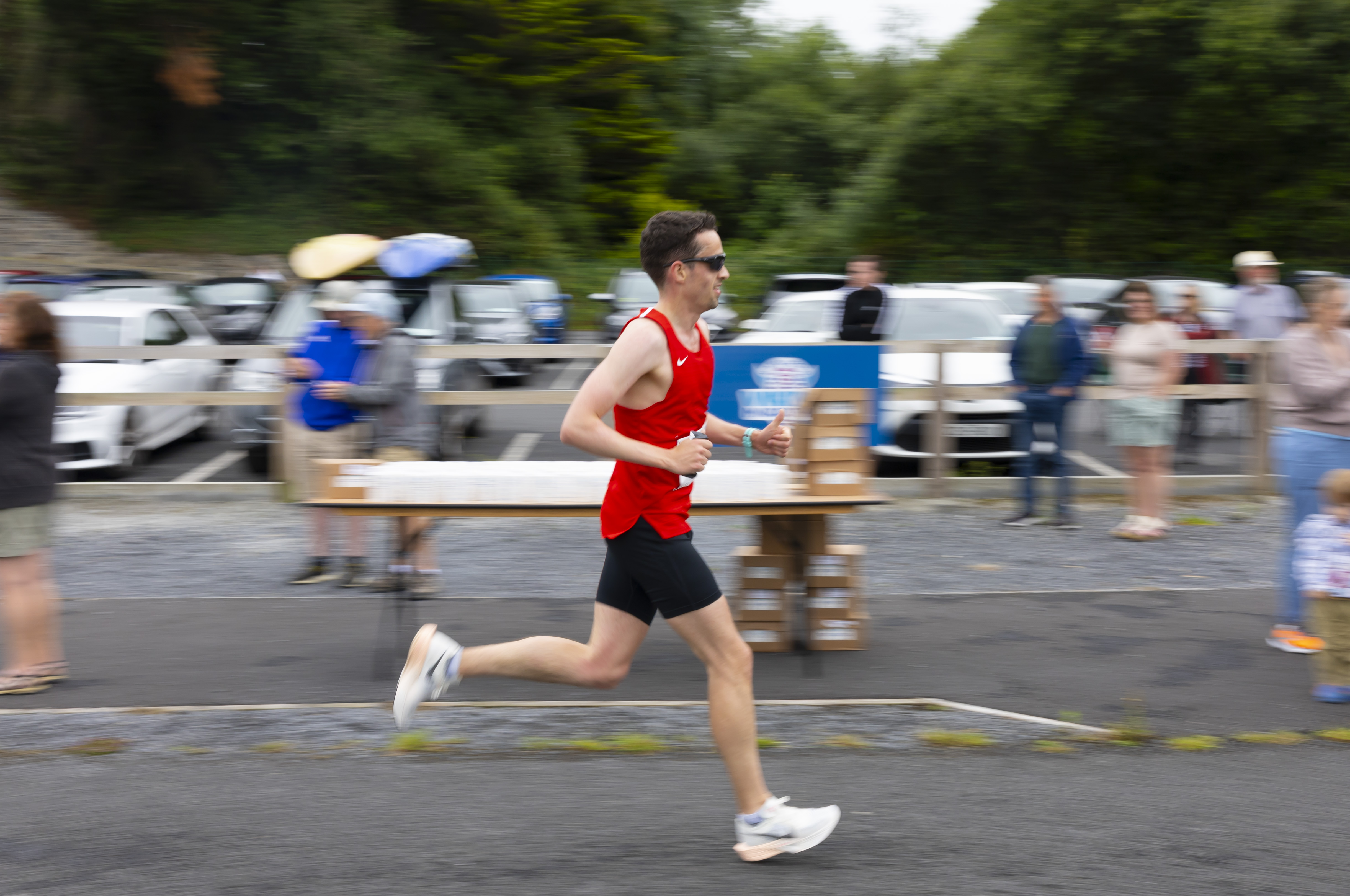
As a personal trainer, one of the most common goals I hear is, “I’d love to run a 10k, but I don’t know where to start.” If that sounds familiar, you’re exactly the kind of runner the Waterford Viking Marathon 10k is made for. Training for your first 10k is not about being fast or looking like a runner. It’s about building confidence, staying consistent, and arriving on the start line on 21 June feeling prepared and excited, not overwhelmed.
Start Where You Are, Not Where You Think You Should Be
The biggest mistake beginners make is doing too much, too soon. Your body needs time to adapt to running. That’s why I always recommend starting with a solid foundation, even if that means run walk sessions at the beginning. These are often scoffed at but there is some real value in these sessions. The lower impact nature of the run/walk sessions can help avoid injuries at the beginning. Less is more.
From a training perspective, your early focus should be:
● Building consistency with three runs per week
● Keeping the pace comfortable and conversational
● Allowing rest days to actually be rest days
● Strength training (this is often overlooked)
If you can run 5km comfortably, you’re already halfway there. If you are building up to 5km distance all the same points mentioned below apply and also have a look at the article on the Viking Challenge. From that point, progress becomes gradual and very achievable. Another thing to be mindful of is to allow yourself anywhere from 6-12 weeks to prepare (depending on your fitness levels).
How to Build Toward 10k Safely
Once 5km feels manageable, you can begin extending your distance slowly. I usually advise adding distance to just one run per week, often called your long run.
A simple approach works best:
● Increase your long run by 1km every 1 to 2 weeks
● Keep the other runs shorter and easy
● Avoid racing your training runs
Remember, the goal is not to smash every session. It’s to stack good weeks together.
What a Balanced Training Week Looks Like
From a personal trainer’s point of view, balance is everything. A strong 10k plan includes more than just running.
A good weekly structure might look like:
● 2 easy runs (conversational pace)
● 1 slightly longer run at an easy pace
● 1 to 2 light strength sessions
● Stretch after each run
● At least 1 full rest day
Strength training is especially important
Simple exercises like squats, lunges, glute bridges, and core work help prevent injury and improve running efficiency. Plyometric style training (jumping, bounding etc) can be beneficial as it helps strengthen the tendons in the foot and ankle. Strong glutes and hamstrings are key to provide you with a solid foundation.
Weak glutes often lead to overcompensations in the knees and feet and can halt your progress. If you want to run long into old age, make sure you train your muscles and tendons as efficiently as the actual running itself. A simple plan to follow would look something like this (exercises may vary
on an individual basis):

Another aspect that gets overlooked is stretching
Making sure to stretch effectively after a run or strength session to help avoid injury and stiffness. When stretching it is important to incorporate some breath work, breathing in through the nose (4-6 seconds) and exhaling through the mouth (7-8 seconds). This can also help to lower the heart rate and calm the
nervous system. Holding each stretch for 45 seconds – 1 minute. Stretching should not be painful or sore. Look for a 3-5/10 sensation in the selected area and hold for the allotted time.
Keep the Legs Fresh as Race Day Approaches
One of the most important pieces of advice I give is this: you don’t get fitter in the final few weeks before race day, but you can get more tired.
As June approaches:
● Reduce total mileage slightly
● Avoid trying to “make up” missed sessions
● Focus on feeling fresh, not fatigued
Trust the work you’ve already done. Fresh legs on race morning are far more valuable than one extra hard run. Giving yourself ample time to build up endurance is the key here.
Fuel and Recovery Matter More Than You Think
Training breaks the body down. Nutrition and recovery build it back up. You don’t need complicated supplements or strict diets. Focus on:
- Regular meals with carbohydrates for energy
- Protein to support muscle recovery
- Hydration throughout the day
- Good nights sleep, poor recovery will hold you back faster than a missed run
For more information on nutrition pop over to John Gaule’s article on how to eat smart for better training.
Race Day Mindset for First Time 10k Runners
On race day, nerves are normal. They’re a sign you care. The key is pacing yourself and enjoying the atmosphere.
My advice:
● Start slower than you think you should
● Settle into your rhythm early
● Break the race into sections, not kilometers
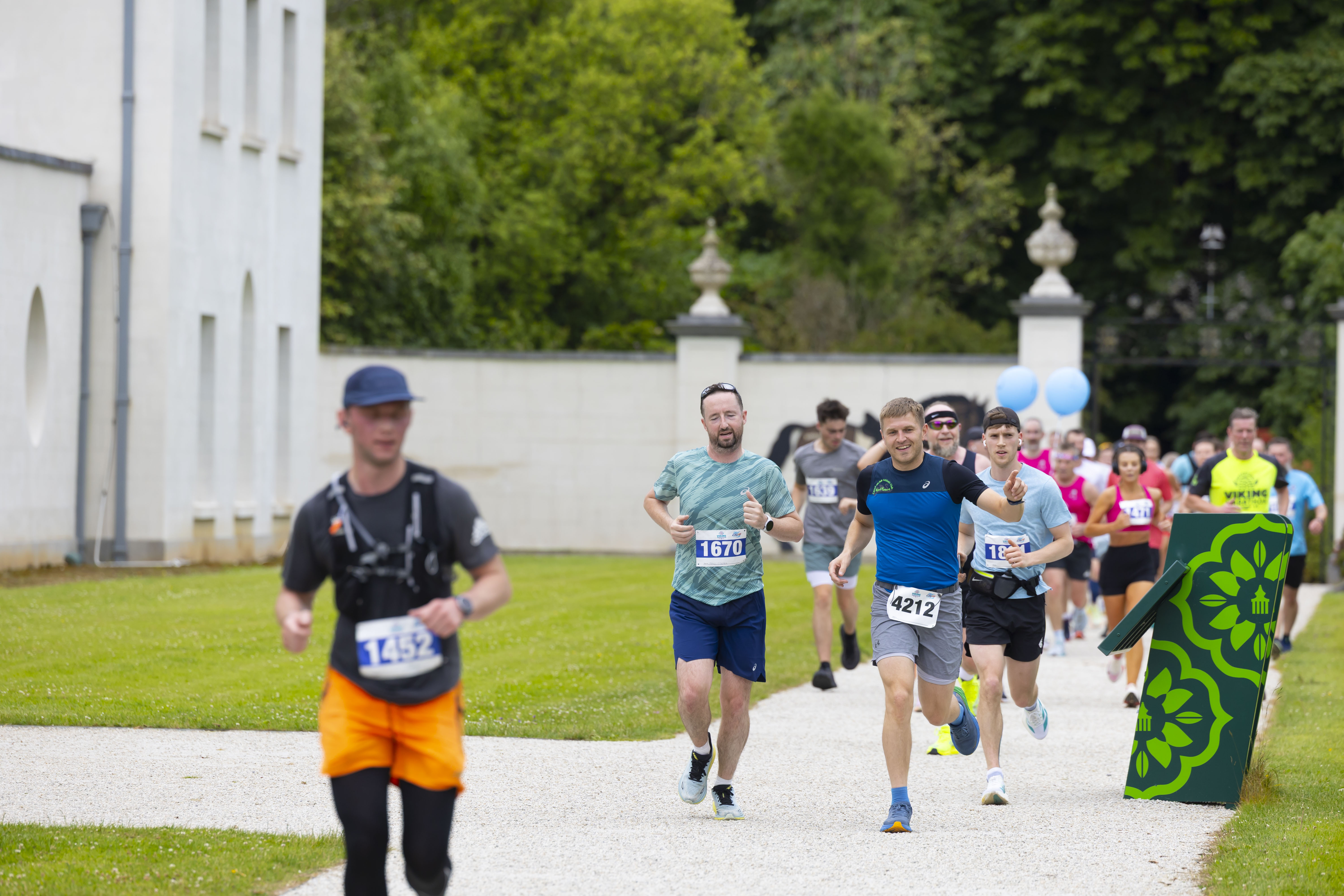
The Waterford Viking Marathon is known for its supportive crowds and welcoming atmosphere. Use that energy when it matters most.
Final Thoughts
Training for your first 10k is about far more than distance. It’s about proving to yourself that you can commit to a goal and see it through. Show up consistently. Train smart. Respect recovery. And when you cross that finish line in Waterford on the 21st of June, you’ll know exactly how much work went into it.
Train like a Viking. Finish like one too.