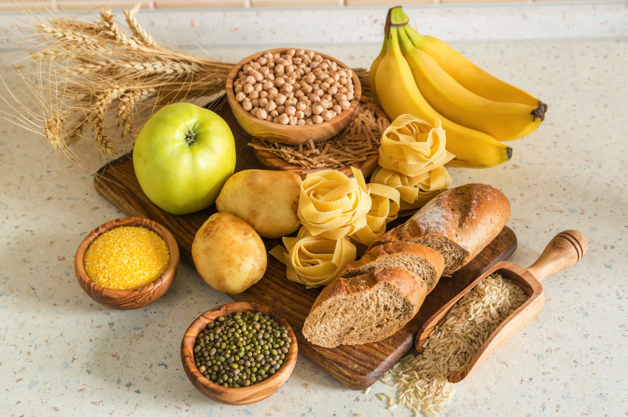

January marks the beginning of training for many runners preparing for the Waterford Viking Marathon on June 21st. Whether you’re training for the relay, disability friendly run, 10km race, half marathon, or full marathon, the nutrition choices you make early in the year will have a major impact on your energy levels, recovery, and overall performance.
One of the most common mistakes runners make is leaving nutrition until later in the training cycle. In reality fuel well now, and training becomes more consistent, injuries are less likely, and race-day preparation becomes far smoother.
Why Getting to Grips with your Nutrition Early on Is Essential for Good Training
Running places significant stress on the body. It can deplete carbohydrate stores, breaks down muscle tissue, and challenges the immune system – particularly during winter months.
If these demands aren’t matched with adequate fuel, runners may experience:
- Persistent fatigue
- Poor recovery between sessions
- Increased injury or illness risk
Runners often push hard in training but don’t always fuel their bodies enough, especially early in the year, when diet trends and weight-loss goals are front of mind. While it is possible to lose weight while running, having a strong nutritional foundation is essential for performance, recovery, and long-term results.
The Key Nutrition Foundations for Runners
Carbohydrates: The Main Fuel for Running
Carbohydrates are the body’s primary fuel source for endurance exercise and should form the foundation of a runner’s diet.
Aim for carbohydrate-rich foods at most meals, such as oats, rice, pasta, potatoes, bread and legumes. While some runners can perform well on a low carb diet, more often than not, a low-carb approach often leads to sluggish training and stalled progress.
Protein: Supporting Muscle Recovery
Protein is essential for repairing muscle tissue and adapting to training stress. Many runners consume enough protein overall but fail to distribute it evenly across the day.
Good protein sources include:
- Eggs, yogurt and milk
- Chicken, fish and lean meats
- Beans, lentils and tofu
Including protein at each meal improves recovery and supports consistent training week to week.
Fats: Supporting Health and Hormones
Healthy fats support hormone production, joint health and overall energy intake — all important during a marathon training block.
Include foods such as olive oil, nuts, seeds, avocado and oily fish as part of a balanced runner’s diet.
Common Nutrition Mistakes Runners Make
Some of the most frequent issues seen early in training blocks include:
- Skipping meals due to busy schedules
- Dieting too aggressively while increasing training load
- Ignoring post-run recovery nutrition
- Relying heavily on convenience or low-energy foods
If training feels harder than expected, nutrition is often the missing piece.
Build Strong Nutrition Habits for Race-Day Success
Right now it’s about building sustainable habits, not achieving perfection. Focus on regular meals, adequate carbohydrates, and prioritising recovery nutrition. These fundamentals support training consistency and long-term performance.
For runners preparing for the Waterford Viking Marathon, personalised guidance can make a significant difference. John Gaule Nutrition works with runners of all levels to optimise fuelling, recovery and race-day nutrition strategies.
👉 Learn more at www.johngaulenutrition.com